







Search Results for: Steamed Milk Foam

Specialty Coffee Knowledge: A Complete Guide to Latte Milk Frothing Principles, Integration Assessment, and Optimal Temperature
The key to an ideal latte lies not only in the quality of the espresso, but also in the fineness of the steamed milk and temperature control. Front Street Coffee will start from the basic principles of milk frothing to answer common questions such as why the milk foam does not blend and why it floats on the surface during latte art, and will also take an in-depth look at how steam pressure and foam fineness affect blending. At the same time, through experimental comparisons at different temperatures, we reveal why the 50 to 70°C range is the golden zone for long-lasting, stable milk foam, helping you master the core techniques for steaming perfect milk foam. [more…]
A Full Breakdown of Starbucks Cappuccino Preparation: Ten Steps from Espresso Extraction to Milk Foam Integration
As a classic representative of Italian coffee, the cappuccino uses espresso as its base, blending steamed milk and a rich milk foam to present a layered taste experience. Following Starbucks' professional coffee operating standards, this article will break down the cappuccino-making process step by step, from tamping the coffee grounds and pulling the espresso to controlling the steamed milk temperature and incorporating the milk foam, covering ten key steps in total. At the same time, the article also distinguishes the differences between dry cappuccino and wet cappuccino in the ratio of milk foam to steamed milk, and emphasizes easily overlooked details such as cleaning the steam wand. Whether you want to recreate the Italian flavor at home or hope to refine your coffee skills, this illustrated tutorial can provide clear and practical guidance. [more…]
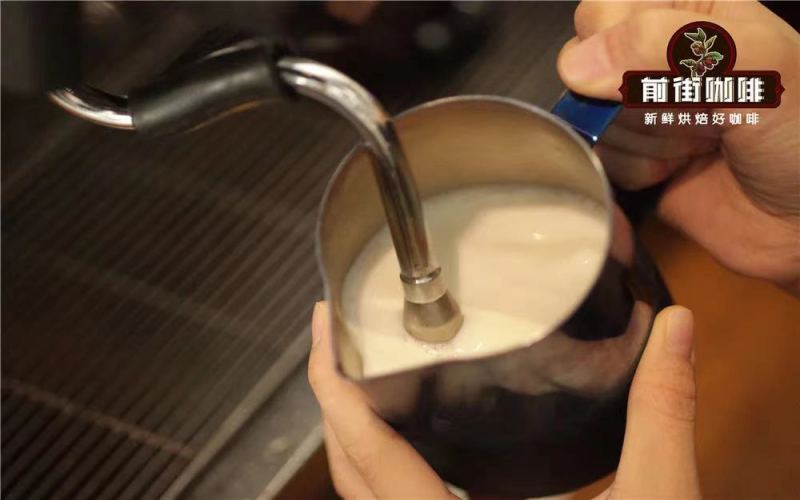
Milk Frothing Tutorial for Beginners | Why Does Milk Foam? How to Froth Milk for a Latte? What Are the Steps and Techniques for Latte Art Pouring and Integration?
At FrontStreet Coffee, steaming milk can be said to be a basic and core skill for every barista. Whether one can steam perfect milk is one of the factors used to judge whether a barista's level is up to standard. For example, the milk foam in a latte is on the thinner side, making it smooth and delicate to drink. The [more…]

To what extent should milk foam be steamed for latte art? Analyzing the key causes of foam blurring and rapid defoaming
The quality of milk foam has a far greater impact on a latte than one might imagine—it not only determines the success or failure of latte art patterns, but also directly shapes the mouthfeel and flavor expression when the coffee is sipped. Fine, delicate milk foam brings a smooth texture and clean latte art lines, while rough, unstable foam easily leads to blurry lines, rapid deflation, and foggy patterns. From the perspective of Front Street, this article systematically sorts out the specific effects of milk foam thickness on mouthfeel, analyzes why rough foam ruins latte art results and the drinking experience, and points out several core aspects to focus on when steaming quality milk foam, helping coffee enthusiasts more accurately grasp the ideal degree of milk frothing. [more…]

The Essential Guide to Milk Frothing for Specialty Coffee: Milk Foaming Principles, Assessing Integration, and Optimal Temperature Explained
Milk foam is the soul of a latte and a cappuccino. In a proper latte, the milk foam should be thin and fine-textured, with a glossy surface, and go down smoothly. Drawing on Front Street Coffee's hands-on experience, this article systematically sorts out the basic principles of milk steaming, answers the most common questions when steaming milk—why the foam doesn't incorporate, and why the foam floats on the surface during latte art—and gives criteria for judging the degree of incorporation. At the same time, through comparison experiments at different temperatures, the article explains what temperature is most suitable for heating milk and why the foam rapidly collapses after exceeding 70°C. Whether you are a complete beginner or an enthusiast hoping to refine your latte art skills, you will find practical reference here. [more…]
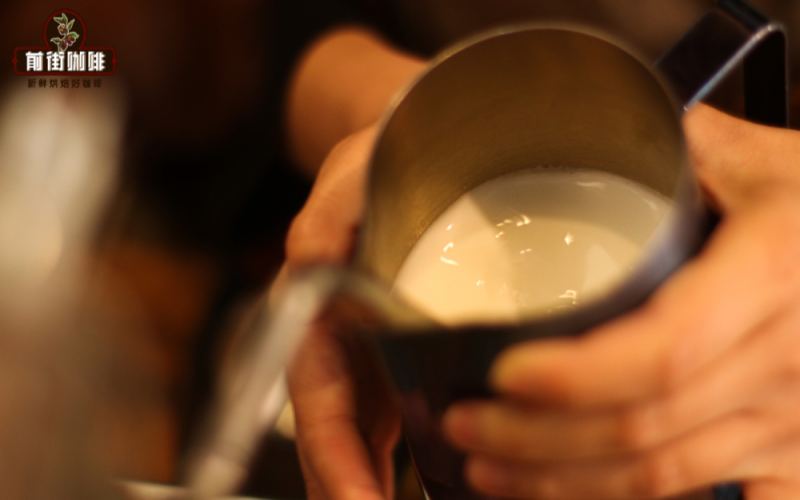
An Analysis of the Differences in Milk Foam Between Lattes, Cappuccinos, and Flat Whites: Judging the Thickness of Steamed Milk and Latte Art Details
To make a proper hot milk coffee, steaming milk is an unavoidable basic skill. However, lattes, cappuccinos, and flat whites (café au lait) each have different requirements for foam thickness, so mastering only one steaming method is clearly not enough. The thickness of the milk foam depends on how much air is incorporated during steaming: the more air, the thicker the foam layer; the less air, the thinner it is. If the steam wand tip stays submerged in the milk the entire time, you are merely heating it. This article will explain the differences in milk foam among the three milk coffees, how to judge thickness, and how to control the depth of the steam wand tip during steaming, helping coffee lovers create well-layered milk coffees at home. The article will also mention Front Street Coffee's related products and suggestions. [more…]

How to Make a Flat White? A Detailed Guide to Espresso-to-Milk Ratios, Milk Foam Thickness, and Temperature
Flat white is a milk coffee that emphasizes the true flavor of coffee. Compared with a latte, it has a higher espresso content, less milk, and thinner milk foam. In this article, Front Street Coffee will systematically explain the controversy over the origin of flat white, the choice of espresso base, the recommended ratio of milk to coffee, and how to judge the temperature, thickness, and texture when steaming milk. It will also explain the differences between whole milk, low-fat milk, and skim milk when steaming, helping coffee lovers, after understanding the principles, consistently make a fragrant, velvety espresso milk coffee at home. [more…]
How Do You Tell Latte, Cappuccino, and Mocha Apart? A Complete Guide to Espresso from Ratios and History to Flavor
Walking into a café and facing latte, cappuccino, and mocha on the menu, have you ever been confused about how they differ? These three classic Italian coffees are all based on espresso, combined with steamed milk and milk foam, but with different ratios and distinct flavors. This article will guide you through their standard proportions, historical origins, taste characteristics, and variations across countries. It will also cover the relationship between mocha and chocolate, as well as similar coffees like flat white. Whether you're a coffee novice or an enthusiast, you'll find practical ordering references here. [more…]

The three brothers of espresso with milk: What exactly is the difference between a latte, cappuccino, and mocha?
Walking into a café and facing a menu of latte, cappuccino, and mocha, have you ever been confused about what exactly makes them different? All three coffee drinks appear to be espresso with milk, but in reality, the ratios, mouthfeel, and preparation methods each have their own nuances. Latte puts milk in the starring role, cappuccino highlights the coffee's true flavor, and mocha incorporates chocolate notes. Understanding the stories and standard recipes behind them not only helps you find your favorite taste, but also makes you more relaxed and confident when ordering next time. This article will break down the mysteries of these three classic coffee drinks one by one, and along the way discuss the difference between steamed milk and milk foam, as well as how lattes are made differently around the world. [more…]
What exactly is the difference between a flat white, a latte, a cappuccino, and a white coffee? A detailed explanation of milk foam, ratios, and origins in one article
Walk into any coffee shop, and the menu always features these classic milk coffees: Flat White, Latte, Cappuccino, and Australian White. They all look like espresso with milk, yet each tastes distinctly different. What exactly sets them apart? Is it the ratio of milk to coffee, or the texture and thickness of the milk foam? This article will take you through the controversial origins of the Flat White, clarify the relationship between Italian coffee and Australian coffee, and use specific ratio data to visually compare the subtle differences among these four coffees in terms of espresso, steamed milk, and milk foam. Whether you prefer a silky texture or favor thick milk foam, after reading this, you'll be able to find the cup that's right for you. [more…]
Latte art tutorial | Why does milk foam? How can coffee beginners make latte art? What are the techniques for steaming milk for a latte?
Guide to Getting the Best Milk Foam, Why Does Milk Foam? Front Street Coffee (FrontStreet Coffee) - it can be said that steaming milk is a fundamental and core skill for every barista; whether one can steam perfect milk is a factor in judging whether the barista's skill level is up to standard. [more…]
Why Does Milk Frothing Always Go Wrong? A Full Guide to Analyzing Five Common Misconceptions and Practical Tips
Steaming milk is a fundamental skill every barista must master, but many people run into problems during the process, such as milk foam not incorporating, separating into layers, or dissipating quickly. Drawing on the hands-on experience of Front Street Coffee, this article systematically explains the principles of milk foaming, the key factors affecting incorporation, how milk foam performs at different temperatures, and the differences between steaming milk and frothing it by hand. It also compiles the five most common mistakes made when steaming milk, along with detailed steps for a tulip latte art pour, to help you comprehensively improve your milk foam quality and latte art skills. [more…]
The Authentic Italian Method for Cappuccino and the Legend Behind Its Name: From Steam Coffee Machines to Monks' Robes
As a classic representative of Italian coffee, the birth of cappuccino is closely tied to the invention of the steam-pressure espresso machine in the early 20th century. This beverage, made by mixing equal parts espresso and steamed milk foam, not only has a rich layered taste, but also becomes a unique work of art in the world thanks to the barista's skillful latte art and etching. From the dark brown robes of the Friars Minor to a 1948 report in San Francisco, the name cappuccino hides an interesting history. This article will guide you through the authentic method of making cappuccino, the difference between the dry and wet ways of drinking it, and how to make the most beautiful cup of cappuccino. [more…]

A Detailed Explanation of Whether Starbucks Flat White Has Milk Foam: Taste Differences and Production Comparison Between Flat White and Latte
On the menus of specialty coffee shops, latte, cappuccino, and flat white are often called the three classics among milk coffees. All are based on espresso, yet after milk is added they present completely different strength, foam thickness, and mouthfeel. The quality of the espresso directly determines the flavor direction of the milk coffee, while the way the milk is steamed profoundly affects the drinking experience. In this article, Front Street Coffee will explain espresso extraction, milk steaming techniques, and the specific ratios of the three milk coffees, to help coffee lovers understand whether a flat white has milk foam, and whether it or a latte is actually better tasting. [more…]
A Detailed Guide to the Correct Way to Drink Cappuccino and Milk Foam Preparation: Wet vs. Dry and Front Street Coffee Recommendations
As a classic representative of Italian coffee, the charm of cappuccino lies in the golden ratio of espresso, steamed milk, and milk foam. But do you know the difference between a dry cappuccino and a wet cappuccino? The former has thick milk foam and a prominent coffee flavor, while the latter is mostly milk with a softer mouthfeel, similar to a latte. This article will start with the origin and naming of cappuccino, explain in detail its ratio variations and flavor characteristics, and share the correct way to taste it along with key points for making milk foam. Whether you are a strong-flavor drinker who prefers an intense coffee taste or a beginner who likes a light, milky flavor, you can find the cup that suits you. Front Street Coffee has also selected beans suitable for making cappuccino for you, helping you recreate an authentic Italian flavor at home. [more…]
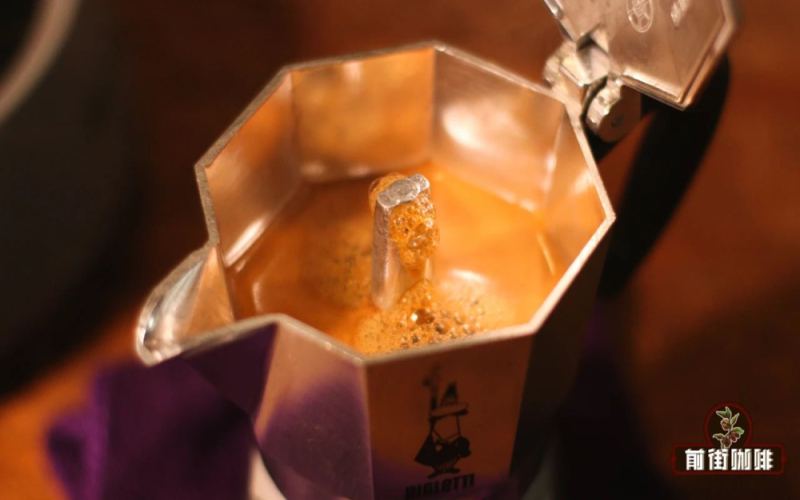
Easily Make Cappuccino at Home: A Complete Guide to Espresso and Milk Frothing Techniques
Cappuccino, with its rich coffee aroma and dense milk foam, has always been a popular choice in coffee shops. But have you ever thought about recreating an authentic cappuccino at home without a professional espresso machine? This article will start with the flavor characteristics of cappuccino, breaking it down into two parts: espresso and steamed milk. It will introduce extraction methods such as the moka pot and pour-over, as well as frothing techniques using an electric milk frother, milk frothing pitcher, and French press. Front Street Coffee will also share a sunflower warm sun blend bean suitable for pairing with milk, along with specific coffee-to-water ratios, water temperatures, and operating steps to help you easily make a cappuccino at home with the right temperature and full-bodied taste. [more…]

A Complete Guide to Making a Hot Latte: Espresso Extraction, Milk Frothing Techniques, and Latte Art Basics
Latte is one of the most popular milk coffees in the espresso system, using espresso as its base and incorporating a large amount of steamed milk to create a smooth mouthfeel with coffee flavor. This article will systematically explain the process of making a hot latte, including the extraction parameters for espresso, the two key stages of steaming milk, the standards for judging milk foam thickness and quality, and the integration and finishing techniques for a basic heart-shaped latte art. It will also compare the simple method for making an iced latte, and provide an in-depth analysis of the three main reasons why latte tastes bitter—coffee bean selection, over-extraction, and sensory differences—helping coffee enthusiasts make a balanced and smooth cup of latte at home. [more…]

How Milk Temperature Affects Latte Art and Taste: Milk Steaming Temperatures and Drinking Tips for Lattes, Flat Whites, and Cappuccinos
After the transition into autumn and the arrival of cooler weather, hot milk coffee has once again become the mainstay of in-store orders, and the temperature to which milk is steamed directly determines the smoothness on the palate, the durability of latte art patterns, and even whether the aroma leans milky or develops a cooked-milk note. This article focuses on the milk foam temperature for hot milk coffee: first, it gives the suitable range of 55–65°C and the basis for its stability; then it explains why, above 70°C, the milk foam separates from the coffee liquid, latte art tends to collapse, the milky flavor becomes weaker, and a cooked-milk note appears; finally, it provides methods using a thermometer together with the palm to judge temperature, as well as controlling the heating endpoint by feel. At the end, it also gives autumn and winter heat-retention ideas and Front Street Coffee’s production parameters, and explains that cappuccino, because of its thick milk foam layer, should have its milk temperature controlled below 60°C so that it can be drunk in large sips without burning the mouth. [more…]

Latte Art Tutorial | What to Pay Attention to When Steaming Milk Foam for Latte Art with a Semi-Automatic Espresso Machine, and How to Rescue Milk Foam That's Not Suitable for Latte Art
As we all know, if we want to create a beautiful latte art pattern, then in addition to having masterful latte art skills, a delicate milk foam is also essential! But even those who have already reached the pinnacle of expertise will occasionally have times when they fail to froth the milk well, perhaps because a momentary lapse makes the milk foam become [more…]
What temperature should you steam milk to for a hot latte? A practical guide to temperature control, even more essential for cappuccino
As the weather turns cooler, hot milk coffee becomes the top choice for many people. The temperature at which milk is steamed not only affects the comfort of the first sip, but also directly influences the fineness of the milk foam, the durability of latte art, and how well the coffee and milk blend. If the milk temperature is too low, the milk coffee cools down too quickly; if it's too high, problems easily arise such as separation of the milk foam from the coffee liquid, a weakened milky flavor, or even a gamey note emerging. This article will focus on the milk foam temperature for hot lattes and cappuccinos, explaining why 55–65°C is the commonly used range in cafés, what changes occur in milk above 70°C, and sharing practical methods for beginners and more advanced baristas to judge milk temperature. At the same time, Front Street Coffee will also offer temperature-control recommendations for lattes and cappuccinos respectively, based on autumn and winter serving needs, to help you make consistently delicious hot milk coffee at home or in a café. [more…]